
Sacramento Mold Remediation
Stop mold at the source with careful inspection, tight containment, and professional cleanup that protects the rest of your property.
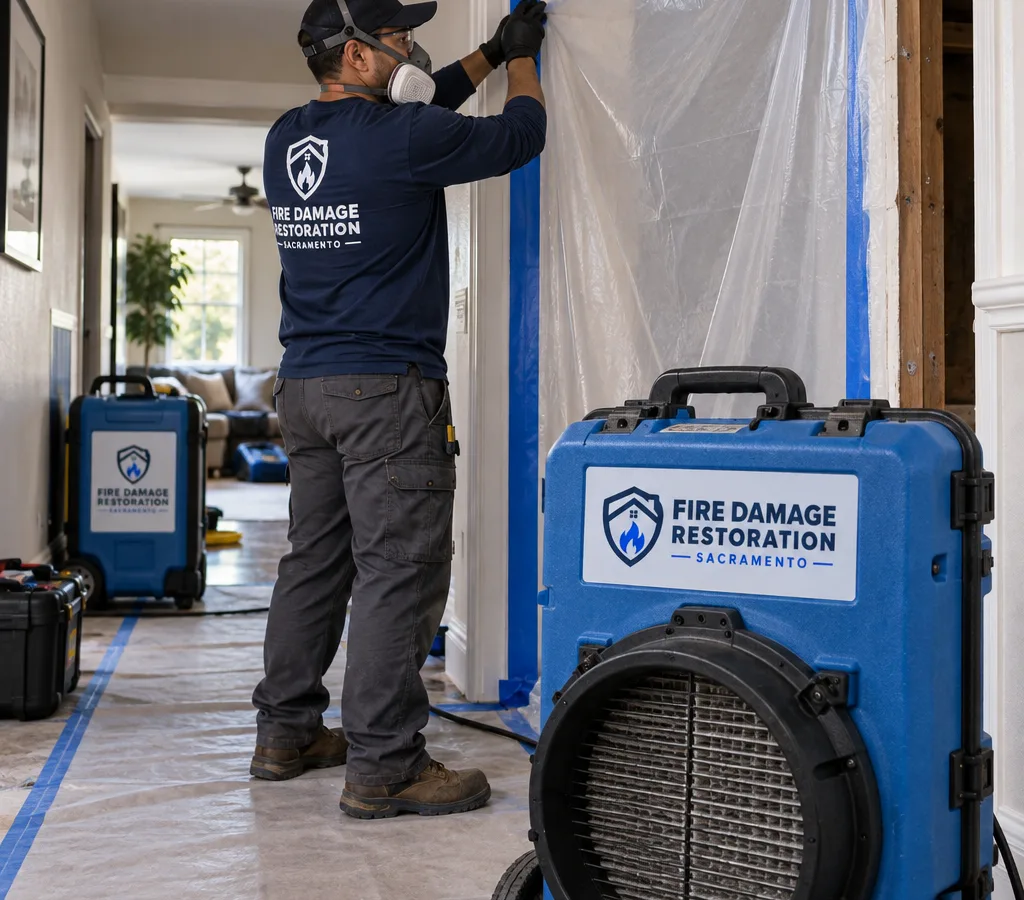
Certified mold cleanup with a clear scope and a controlled work area
Mold problems are rarely just a surface issue. If there is moisture behind drywall, under flooring, or in an attic, the right fix starts with finding the wet material, isolating the work area, and removing contaminated building materials safely.
Fire Damage Restoration Sacramento handles Sacramento mold remediation for homes and businesses with an inspection-first approach: we identify the likely moisture pathway, document what needs to be removed or cleaned, and lay out a written scope so you know what work is planned before it starts. Our team works like fire damage restoration specialists serving Sacramento do on any contamination job: protect unaffected rooms, keep dust and spores contained, and leave the area clean and dry enough to rebuild.
In Sacramento, mold calls often follow plumbing leaks, HVAC condensation, roof leaks, and water intrusion after storms. Homes around Midtown and East Sacramento can have older wall assemblies and tight cavities that hide moisture, so we focus on access points and careful containment to keep the rest of the home livable during work when possible.
What mold remediation in Sacramento typically includes
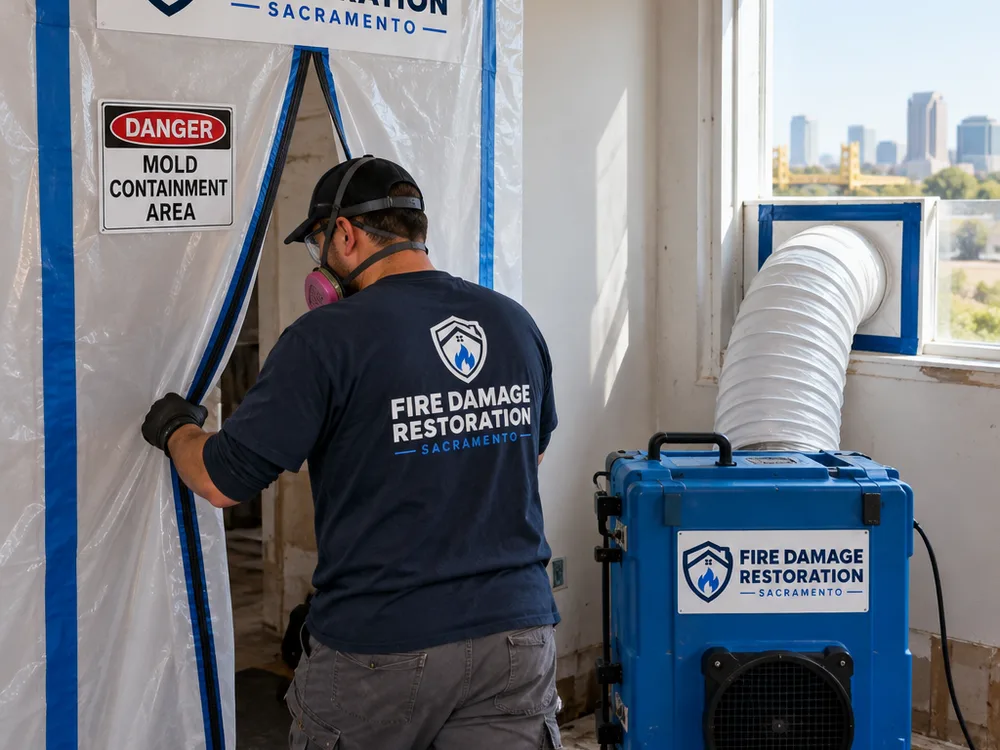
A proper mold remediation job is a controlled demolition and cleaning project, not a quick spray-and-wipe. The exact steps depend on where growth is and what materials are affected, but most projects include:
- Site assessment and moisture checks: We look for the water source first—an active leak, condensation, past flood, or roof entry. Remediation without moisture control often leads to repeat problems.
- Containment and negative pressure: We isolate the affected area with plastic barriers, use negative air where appropriate, and set up a clean entry to reduce cross-contamination.
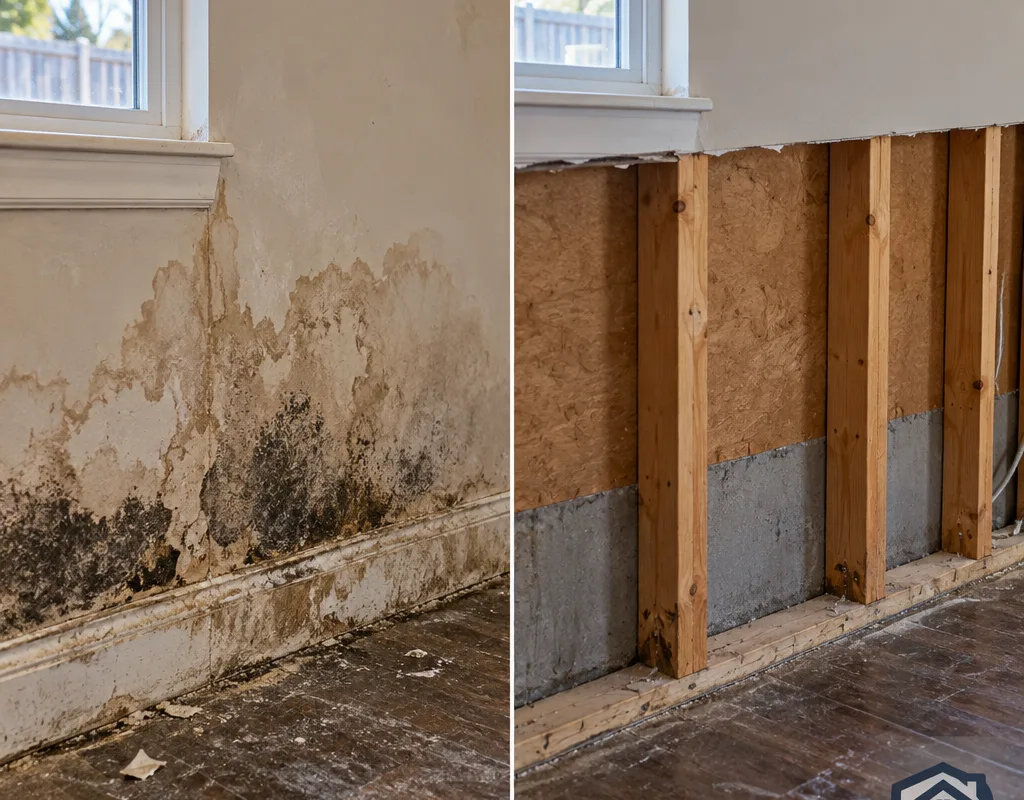
- Removal of impacted porous materials: Drywall, insulation, carpet pad, and other porous items that are contaminated typically need removal and disposal.
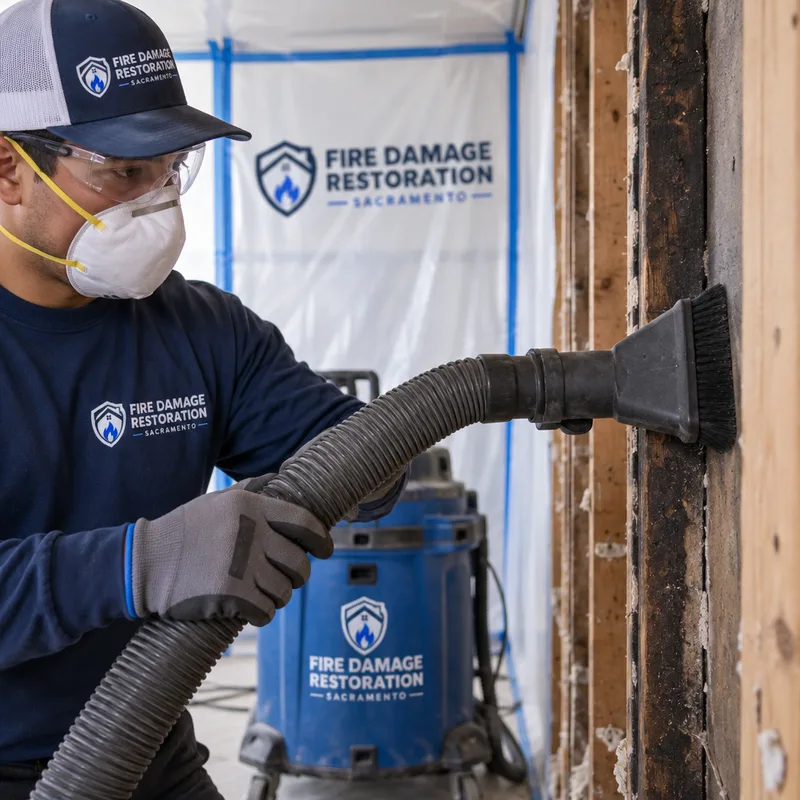
- HEPA vacuuming and detailed cleaning: We clean remaining framing, sheathing, and surfaces using HEPA filtration and damp-wipe methods suited to the material.
- Drying and verification: We dry the area and re-check moisture readings so the rebuild can happen on stable, dry materials.
If your situation started as a leak or water event, it can help to address the water issue quickly so mold does not gain ground. In some cases, water damage restoration is the right first step before remediation work is finalized.
How we keep the work controlled and the plan clear
Containment that matches the risk
We size containment to the affected area and the pathway to reach it, including floors, stairwells, and adjacent rooms when needed.
HEPA filtration during cleanup
HEPA vacuuming and air filtration reduce airborne particulate during demo and cleaning, which matters most when drywall or insulation is disturbed.
Removal, not masking
We remove contaminated porous materials where appropriate and clean remaining structural surfaces so the fix is based on condition, not cover-ups.
Moisture source focus
We look for the cause, such as plumbing leaks, roof entry, or condensation, because remediation depends on stopping the moisture first.
Documentation you can use
You get a straightforward scope that lists affected areas, planned removals, and what is included so decisions are easier.
Our Sacramento mold remediation process
-
01
Inspect and define the affected area
We assess visible growth, check likely hidden cavities, and take moisture readings to understand what materials are wet or were wet recently.
-
02
Build containment and protect the route
We isolate the work zone, protect floors and adjacent areas, and set up negative air and HEPA filtration as needed for the scope.
-
03
Remove contaminated porous materials
When materials cannot be reliably cleaned—common with drywall, insulation, and carpet pad—we remove them in a controlled way and bag out debris.
-
04
HEPA clean remaining structure
We HEPA vacuum and clean framing and other remaining surfaces using methods appropriate to the material and level of contamination.
-
05
Dry, re-check, and hand off for rebuild
We dry to acceptable moisture levels, document the condition, and coordinate next steps so repairs can start on clean, dry building materials.
How Much Does Mold Remediation Cost in Sacramento?
Mold remediation in Sacramento typically ranges from about $1,500 to $6,500 for many residential projects, with small, contained areas sometimes closer to $800 to $2,000 and larger multi-room or attic/crawlspace projects commonly $6,500 to $15,000+.
Your final cost depends on how much material must be removed—drywall, insulation, or flooring—how hard it is to access, how much containment is required, and whether drying is still needed because moisture is active. The exact price is confirmed after an on-site inspection and a written scope of work.
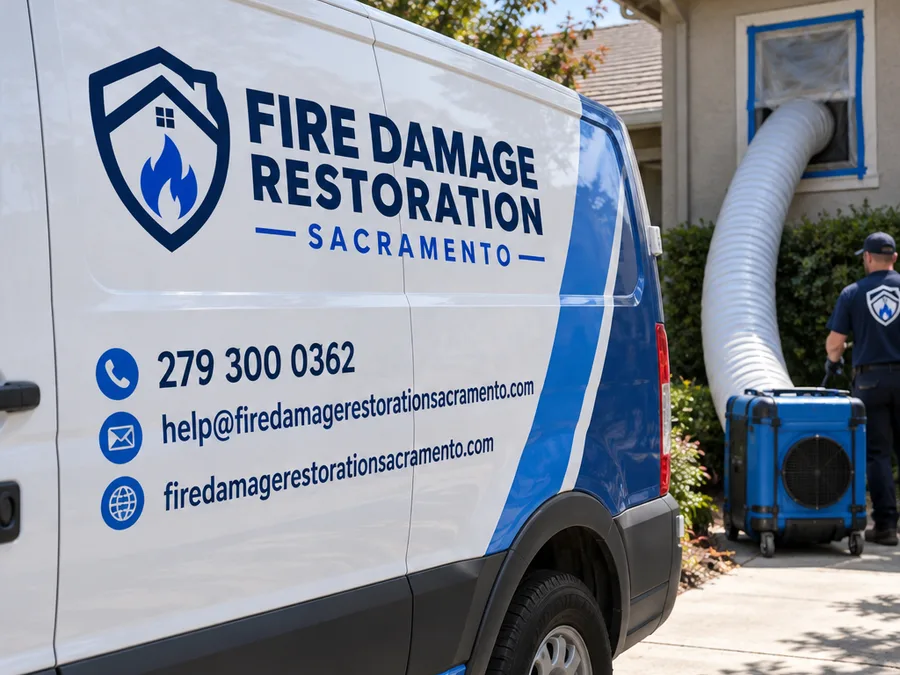
Mold remediation Sacramento: questions we get before scheduling
How fast can you start mold remediation in Sacramento?
Many jobs can start quickly once the affected area is assessed and the scope is set, but timing depends on access, the size of containment, and whether active moisture is still present. If materials are still wet from a leak, drying and source control may need to happen first so the remediation is stable and does not have to be repeated.
Do I need testing before scheduling sacramento mold remediation?
You do not always need testing to begin remediation when there is visible growth or clearly contaminated materials, because the work is based on removing and cleaning impacted building components. Testing can be helpful for documentation or when the source or extent is unclear, but containment, safe removal, and moisture correction remain the core of the fix.
Is it safe to stay in the home during remediation?
Often yes for small, well-contained projects, because the work area is isolated and air filtration is used to control dust and spores. If the affected area is large, involves a main living area, or crosses multiple rooms, we may recommend temporary relocation for comfort and to reduce exposure during demolition and cleaning.
What causes mold to come back after cleanup?
Mold typically returns when the moisture source was not fully corrected or materials were closed up while still damp. In Sacramento homes, common repeat drivers include slow plumbing leaks in wall cavities, condensation at HVAC components, and roof or flashing leaks that only show up after storms.
Can you remediate mold in crawlspaces and attics?
Yes, but the approach depends on access, ventilation, and what materials are affected. Crawlspaces and attics often require careful containment planning and debris control because insulation and framing are common impact points and can be difficult to clean thoroughly without the right setup.
Will you rebuild the drywall after remediation?
Remediation focuses on removing contaminated materials, cleaning remaining structure, and confirming the area is dry and ready for repairs. If you also need reconstruction, we can coordinate next steps after cleanup so repairs are based on a clean, dry cavity and the moisture cause has been addressed.
Get a clear remediation plan before mold spreads
Tell us what you are seeing and where it is happening. We will inspect the area, explain what needs to be removed versus cleaned, and provide a written scope built around proper containment and a dry finish.